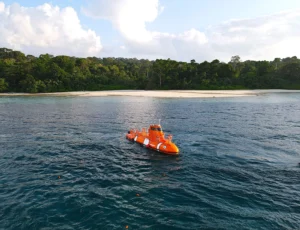
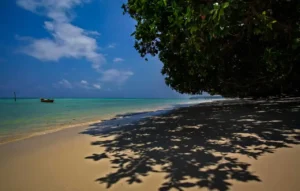
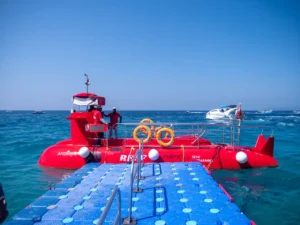
If you’re visiting Little Andaman for the first time, Chattan Beach is one of those hidden gems you shouldn’t miss. Located close to Hut Bay Jetty, this beach is perfect for families, nature lovers, and anyone who just wants to slow down and feel the calm of the sea.
Why Visit Chattan Beach?
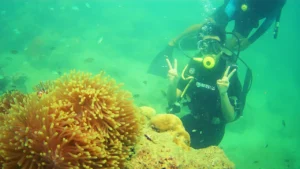
Chattan Beach is not your typical crowded tourist spot. It’s a quiet and scenic beach where you can enjoy peace, fresh sea breeze, and beautiful views. What makes it special is a natural sea pond formed along the shoreline. The pond has crystal-clear blue water filled with colorful fish — a real treat for anyone who loves marine life.
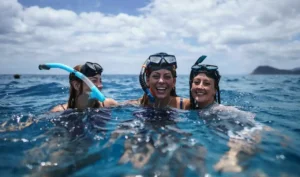
This natural pool is safe for swimming, especially for families with children. Parents can relax on the shore and still keep an eye on their kids playing in the water. The gentle waves and shallow areas make it one of the safest places to swim on the island.
Where is Chattan Beach?
How to Reach Chattan Beach?
Reaching Chattan Beach in Little Andaman is quite straightforward, though it involves a bit of island travel. The beach is located very close to Hut Bay Jetty, which is the main entry point to Little Andaman Island.
Step 1: Travel to Port Blair (Main Gateway)
Your journey begins at Port Blair, the capital of the Andaman and Nicobar Islands. Port Blair is well-connected to mainland India by regular flights from Chennai, Kolkata, and Bengaluru. You can also reach it by ship from major Indian ports like Chennai, Kolkata, and Visakhapatnam, though flights are faster and more convenient.
Step 2: Ferry from Port Blair to Hut Bay, Little Andaman
From Port Blair, take a government ferry or ship to Hut Bay (Little Andaman).
- The ferry ride takes around 6 to 8 hours, depending on the vessel and weather.
- Ferries usually depart from Phoenix Bay Jetty or Haddo Wharf in Port Blair.
- It’s best to book tickets in advance at the Directorate of Shipping Services (DSS) office in Port Blair, as schedules can vary. You can also visit https://dss.andamannicobar.gov.in/eticketing for details.
There are both day and night ferries, and tickets are available in different classes (seat, berth, and cabin). The journey itself is quite scenic, offering views of the open sea and nearby islands.
Step 3: From Hut Bay Jetty to Chattan Beach
- Once you arrive at Hut Bay Jetty, you’re almost there as Chattan Beach is just 2–3 km away.
- You can hire a local taxi, or auto-rickshaw to reach the beach.
- Many visitors even walk to the beach, as the route is flat and surrounded by lush greenery.
- Local residents are friendly and always happy to guide you if you need directions.
Travel Tip:
If you plan to return to Port Blair the same day, check ferry timings carefully, though most visitors prefer to stay overnight in Hut Bay, explore nearby attractions like White Surf Waterfall and Butler Bay Beach, and visit Chattan Beach the next morning when the light is perfect for photos.
Read More: How to reach Port Blair?
Meaning of “Chattan”
The name “Chattan” means rock in Hindi, and that perfectly describes the beach’s character. The shore is a blend of rocky and sandy stretches, giving it a raw and natural charm. While the rocks make the beach visually unique, visitors should be cautious when walking around them since they can be uneven and pointed.
Best Time to Visit Chattan Beach
The best time to visit Chattan Beach is between November and April, when the weather is pleasant and the sea is calm. During these months, visibility underwater is better for snorkelling, and the water remains safe for swimming. Avoid the monsoon season, as the waves can get rough and access may be limited.
Travel Tips
- Bring your own snacks and drinking water as facilities are limited.
- Carry snorkelling gear and a camera to capture the underwater beauty.
- Wear comfortable shoes if you plan to explore the rocky side.
- Respect the natural surroundings and avoid littering.
- Swim only in the designated safe areas.
Safety and Conservation
Chattan Beach is one of those rare places where nature still feels untouched, and it’s our responsibility to help keep it that way. While the area is generally peaceful and safe, it’s important for visitors to be aware of their surroundings and follow a few simple precautions.
Stay Safe by the Sea
- Always swim in the natural pond or shallow areas near the shore. The open sea can have strong currents, so it’s better to stay close to land.
- Avoid swimming after dark or during high tide, when visibility is low.
- If you’re visiting during the rainy season, check the weather and avoid entering the water during rough sea conditions.
- Although saltwater crocodiles are rarely seen near Chattan Beach, they do inhabit parts of Little Andaman. Locals are the best source of updated information, so if in doubt, ask before swimming.
- You may also come across sea snakes or small reef fish. They are not aggressive, but it’s best to observe without touching.
Respecting Nature and Local Life
Chattan Beach is home to delicate marine life and pristine coastal vegetation. To help preserve this natural beauty:
- Avoid using plastic bottles or packaging. Carry reusable items instead.
- Do not disturb marine animals or collect shells from the sea pond.
- Leave only footprints. Take all your waste back with you.
- Support local guides and small businesses as they help maintain and protect the island’s natural balance.
By following these small but meaningful steps, travellers can ensure that Chattan Beach remains a safe, clean, and sustainable destination for generations to come.
Chattan Beach in Little Andaman is a simple yet stunning destination that captures the true essence of island life. With its natural sea pond, crystal-clear waters, and peaceful environment, it’s the perfect spot for a family outing or a solo retreat. Whether you come to snorkel, swim, or simply sit back and watch the waves, Chattan Beach near Hut Bay promises a serene and memorable experience for every traveller.
FAQs About Chattan Beach
Read More: Munda Pahad Trek in Andaman.